Hey there, I’m
Ayana Griffin, a
Stanford CS Student
I’m a graduate student at Stanford studying Computer Science and passionate about designing equitable, beautiful technologies for social impact.

Hey there, I’m
I’m a graduate student at Stanford studying Computer Science and passionate about designing equitable, beautiful technologies for social impact.
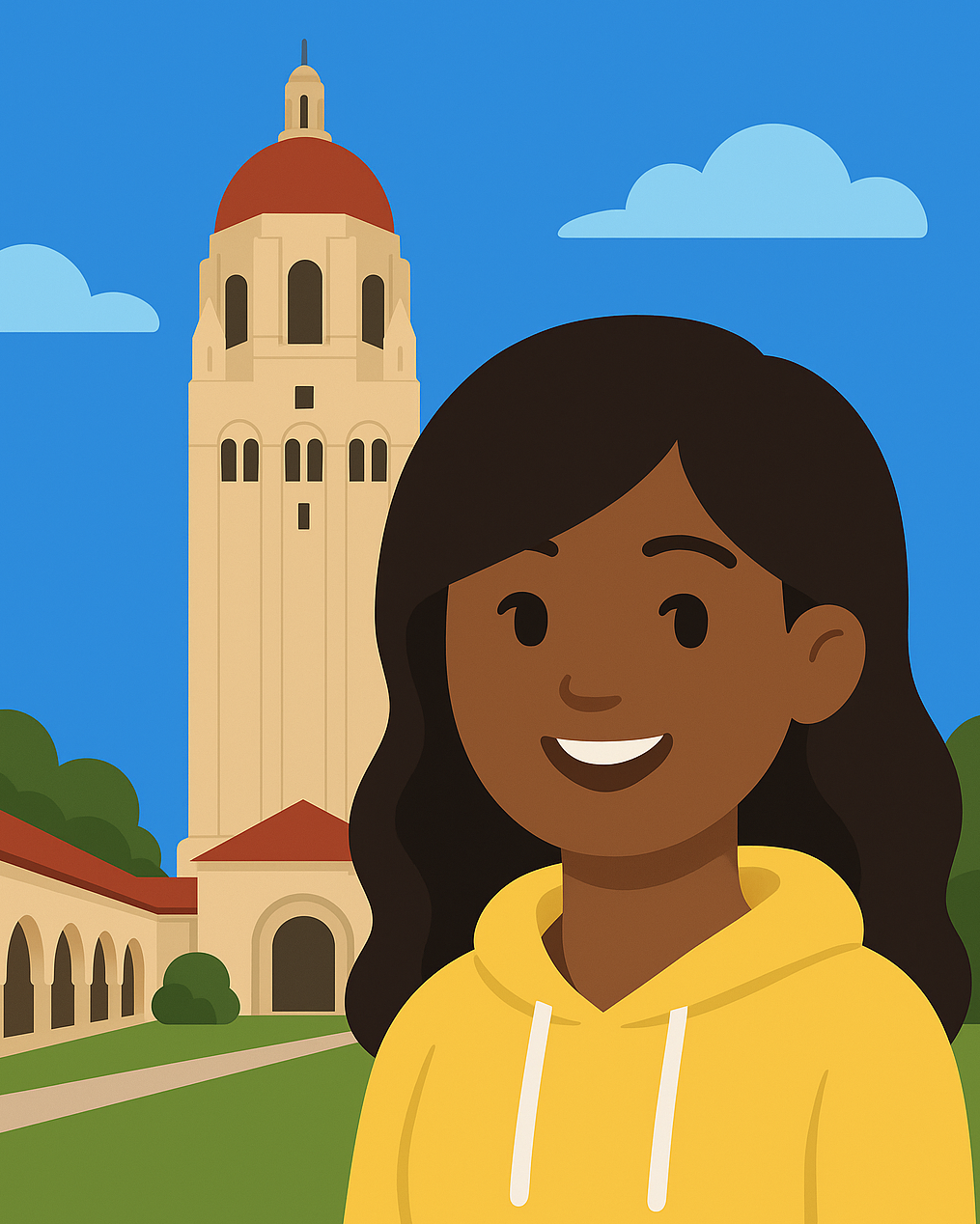

Hi, I’m Ayana! I’m a computer science graduate student at Stanford
University passionate about building technology that empowers and
includes. I did my undergraduate degree in
Symbolic Systems
(Human-centered AI specialization), combining psychology, education,
and philosophy with CS. My work today sits at the intersection of
education, technology, and equity, designing tools that create
meaningful learning experiences for everyone, especially those
historically left out of tech spaces.
Over three summers as a software engineering intern at Microsoft, I
worked on AI-powered tools for financial operations and cost
analysis, which honed my ability to build at scale while staying
rooted in user needs. Beyond work, I thrive on sharing knowledge.
Whether teaching coding workshops, mentoring young students through
volunteer organizations such as
Black Girls Code, or speaking about the power of representation in STEM, I love
sparking curiosity and confidence in others.
When I’m not behind my laptop, you’ll probably find me crocheting,
caring for my growing collection of succulents, or exploring new
corners of the world (I hope to hit all seven continents before
turning 30!).
At my core, I believe technology should not only solve problems but
also connect people and open doors. That vision drives everything I
create. See some of my work below!
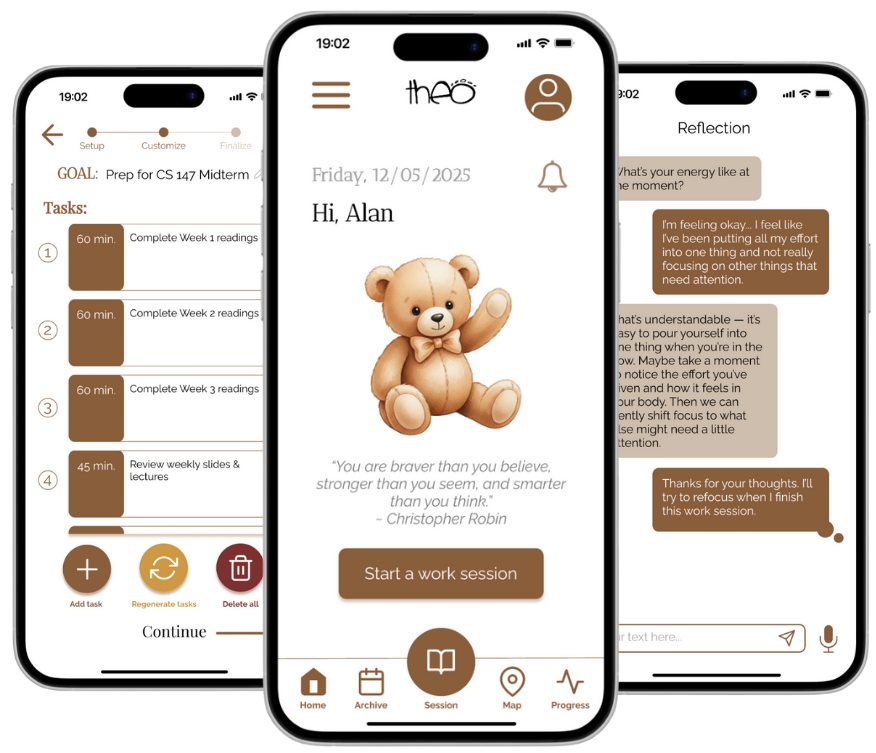
Theo is an ADHD-friendly study companion that turns vague goals into clear, timed steps and nudges you with warm check-ins. It keeps you balanced with breaks, reflections, and a supportive tone so progress feels sustainable, not stressful. You can plan, run, and review sessions to see progress over time.
Built with React Native, Typescript, Expo, Supabase, Gemini, and Whispr
View App Website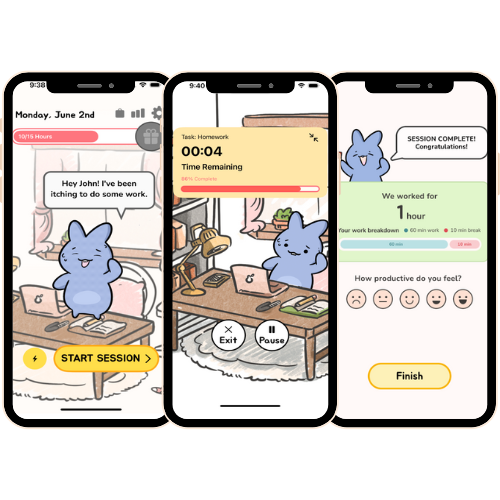
A research-informed productivity app designed to support women with ADHD in creating sustainable, motivating study routines. Grounded in cognitive science and inclusive design principles, StudyBud integrates AI-generated prompts, personalized encouragement, and flexible work-break cycles to accommodate diverse attention patterns. Available on the App Store soon! The presentation below was given as a guest lecture talk for an accessibility design course at UCSC.
Built with React Native, Swift, Figma, and SQL
View StudyBud Presentation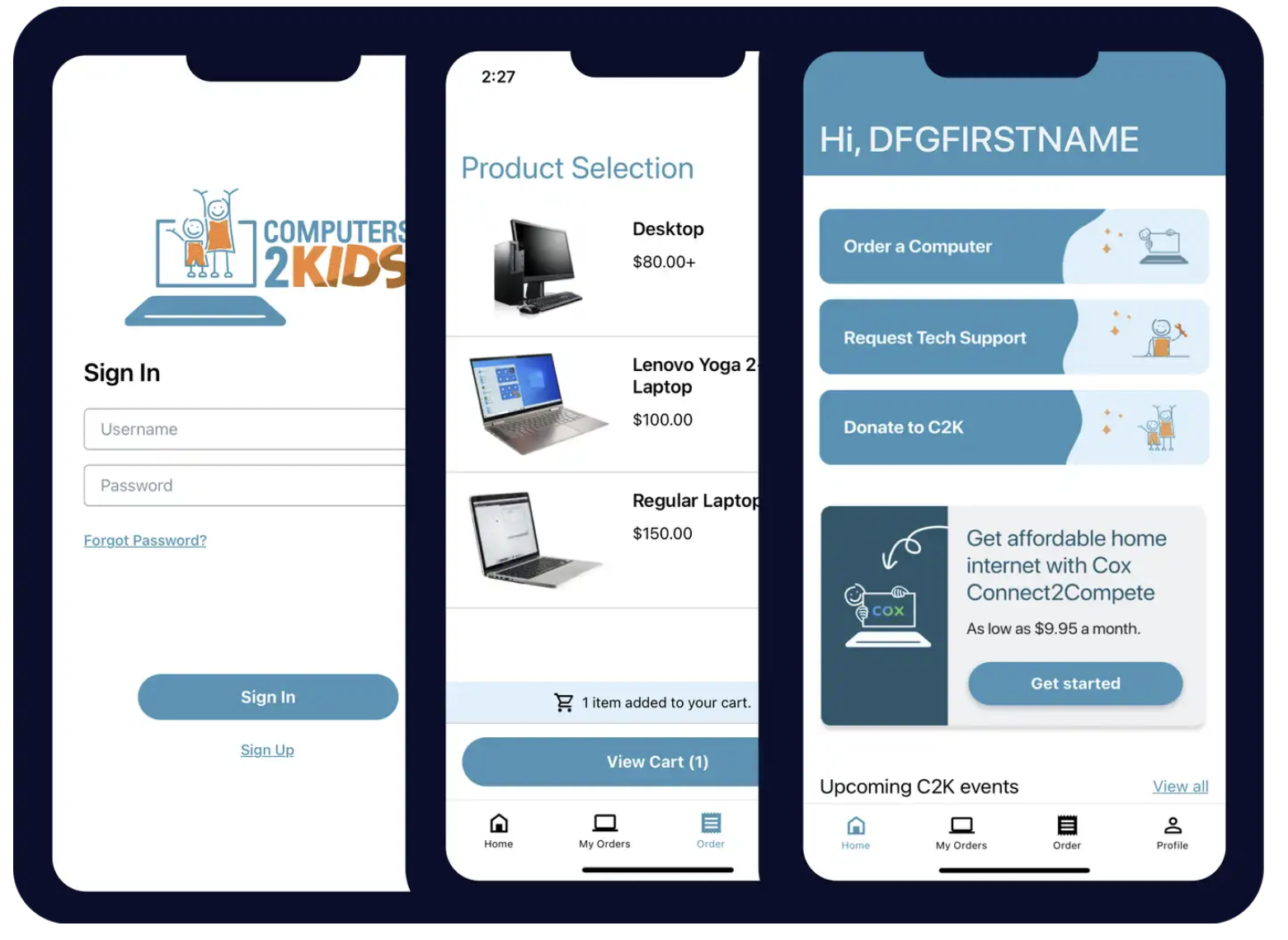
A mobile application for Computers2Kids, an organization that has helped over 100k families get access to necessary technology. This app streamlines the process of getting computers to those in need by allowing users to apply for and request tech, tech assistance, and more!
Built with React Native, Node, Express, Heroku, and Salesforce
View App Case Study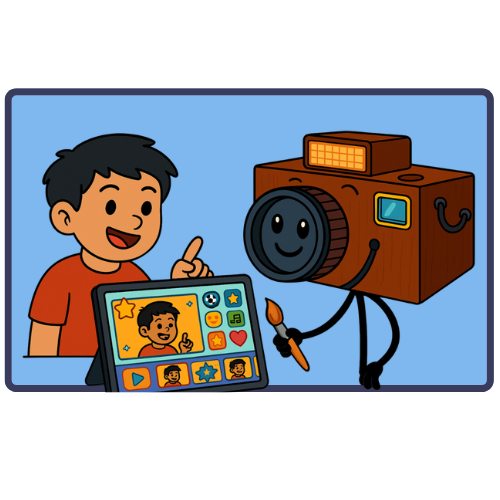
Show & Tell is an AI-guided platform that helps young children create and share explainer videos with their families. Featuring a friendly AI guide named Cami, it supports kids through planning, recording, and presenting their ideas. Grounded in research on digital play, parasocial learning, and culturally responsive design, Show & Tell fosters creativity, communication skills, and meaningful family connections—making technology a bridge that amplifies children’s voice
Design and research project built with Figma
View Show & Tell PresentationA research-backed app targeting impulse shopping, grounded in user studies and iterative design, that transforms shopping urges into mindful, goal-oriented board curation.
Built with Figma
A narrative puzzle game featuring original artwork and an object-based dialogue system, where players navigate quirky office tasks that gradually reveal the unsettling realities of corporate life.
Built with GML and original artwork
A social word puzzle platform where users play personalized daily word games (like Wordle), compete with friends in real-time leaderboards, and engage in group discussions—all within a single, private community.
Built using piggyback prototyping
An API that enables Azure customers to seamlessly import large-scale usage data into Microsoft Fabric, transforming raw tables into actionable insights for easier analysis.
Built with .NET and C# for my 3rd Microsoft internship
A Visual Studio Code extension that streamlines Microsoft documentation by automatically classifying article types and generating guideline-compliant templates from a brief user input.
Built with Node.js and the OpenAI API for my 2nd Microsoft internship
A developer toolkit for Microsoft Outlook that introduces actionable messages, showcases their use cases, and provides a starter web app template to streamline building them through the API.
Built with .NET and C# for my 1st Microsoft internship


I’d love to hear from you!
Contact me via LinkedIn and I'll be in touch!